Gins That Showcase Regional Botanicals
The best gins don't just follow the London Dry template—they root themselves in place. These bottles make geography matter, drawing on local flora to create distinctive profiles that taste unmistakably of where they're made. From Japanese sakura to Scottish heather, these gins prove that terroir applies to spirits just as much as wine.
-
1
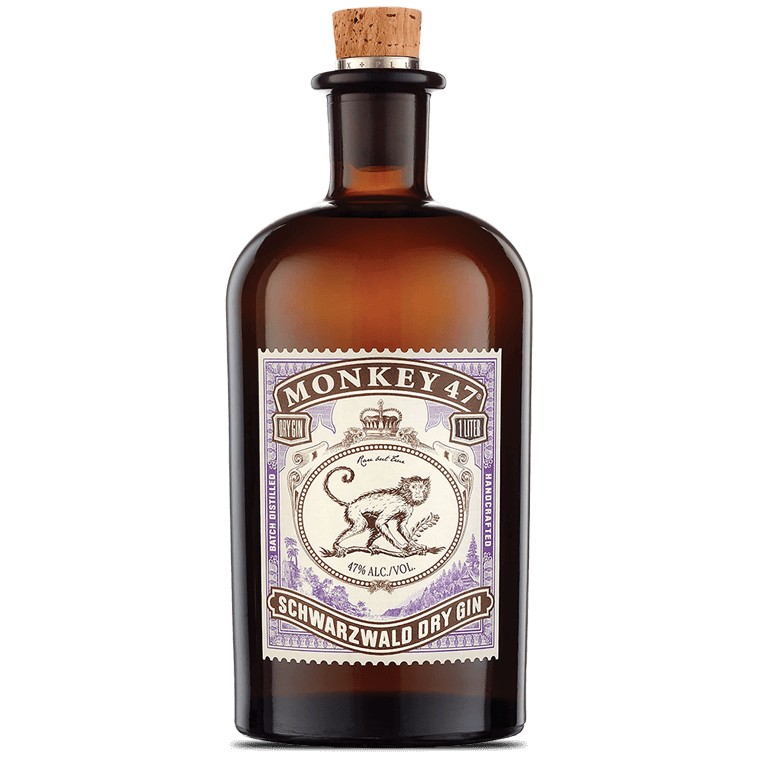
Monkey 47 Schwarzwald Dry Gin 84
Forty-seven botanicals from Germany's Black Forest make this the most aggressive expression of regional terroir in gin. Spruce tips, lingonberries, and local herbs create a complexity that's unmistakably Schwarzwald, not just generically "botanical."
-
2
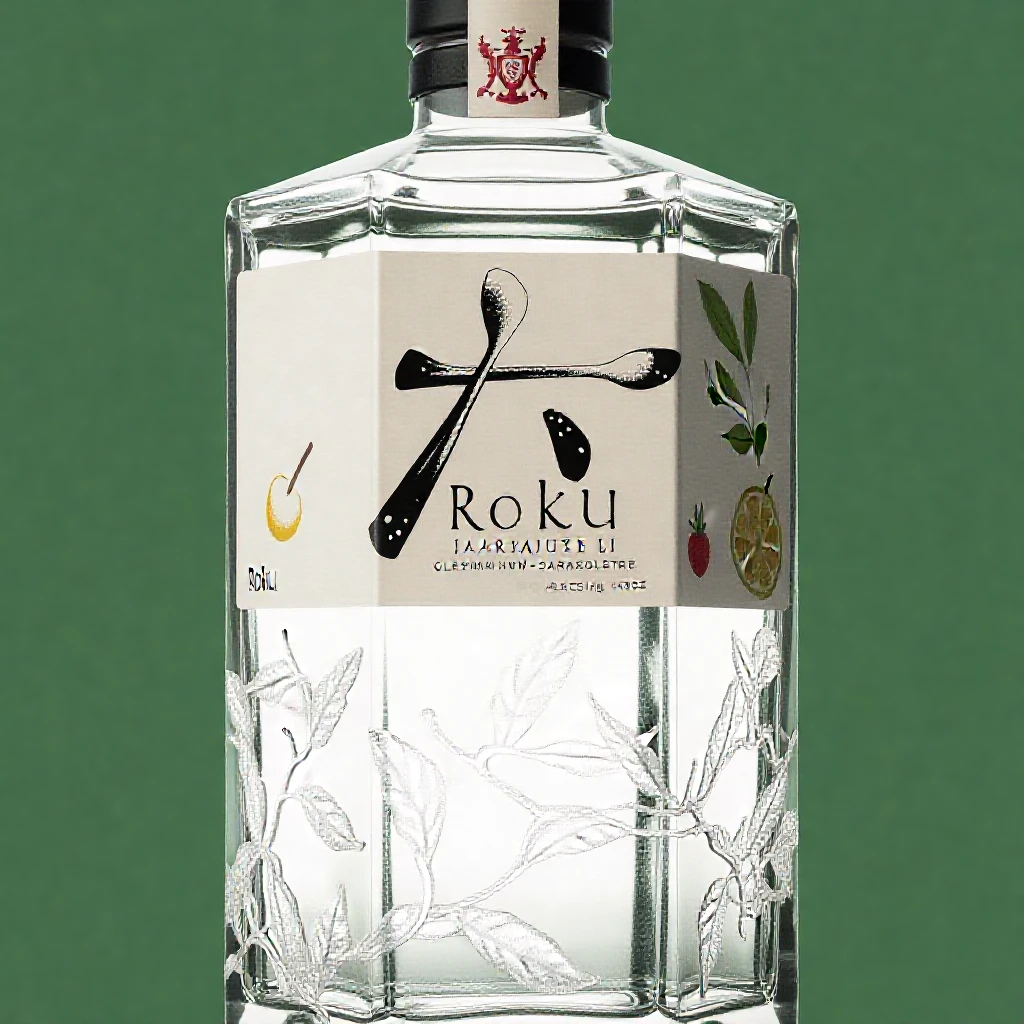
Roku Japanese Gin 84
Six distinctly Japanese botanicals—sakura flower, sakura leaf, yuzu peel, sencha tea, gyokuro tea, and sansho pepper—anchor this gin in a specific flavor vocabulary. The seasonal harvest approach means these aren't token additions but the structural backbone.
-
3
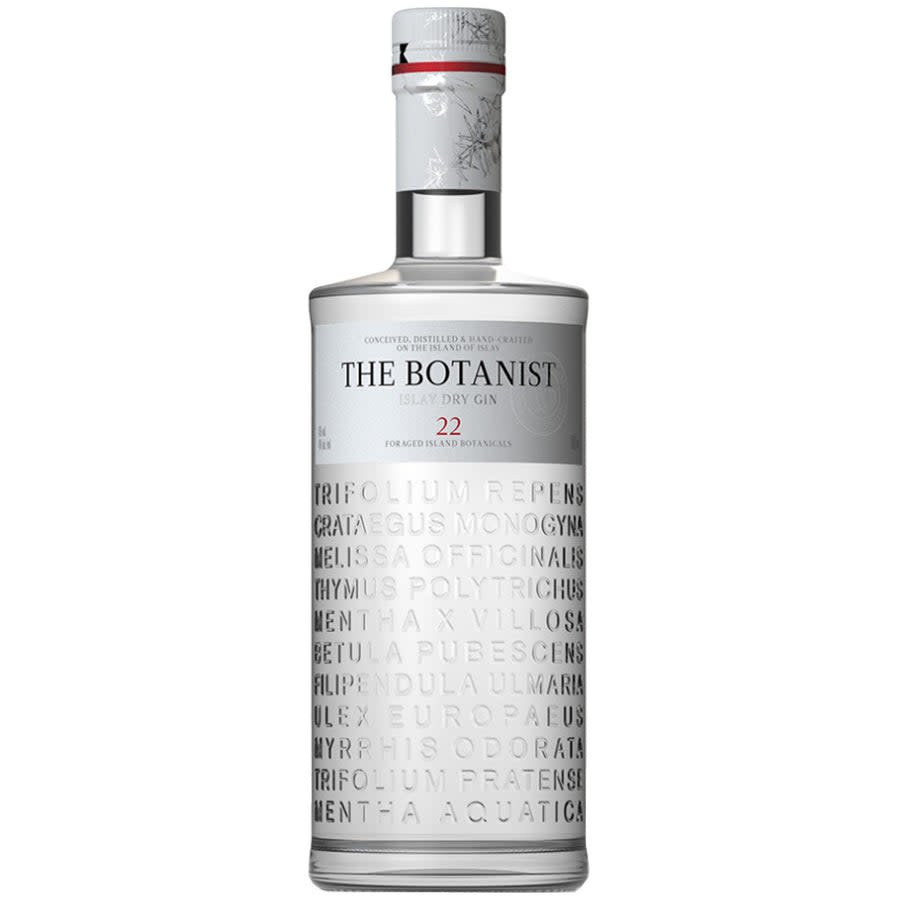
The Botanist Islay Dry Gin 82
Twenty-two hand-foraged Islay botanicals including heather, meadowsweet, and gorse create a gin that tastes like the Scottish island itself. Made at Bruichladdich distillery, it captures the maritime wildness of its home terrain.
-
4
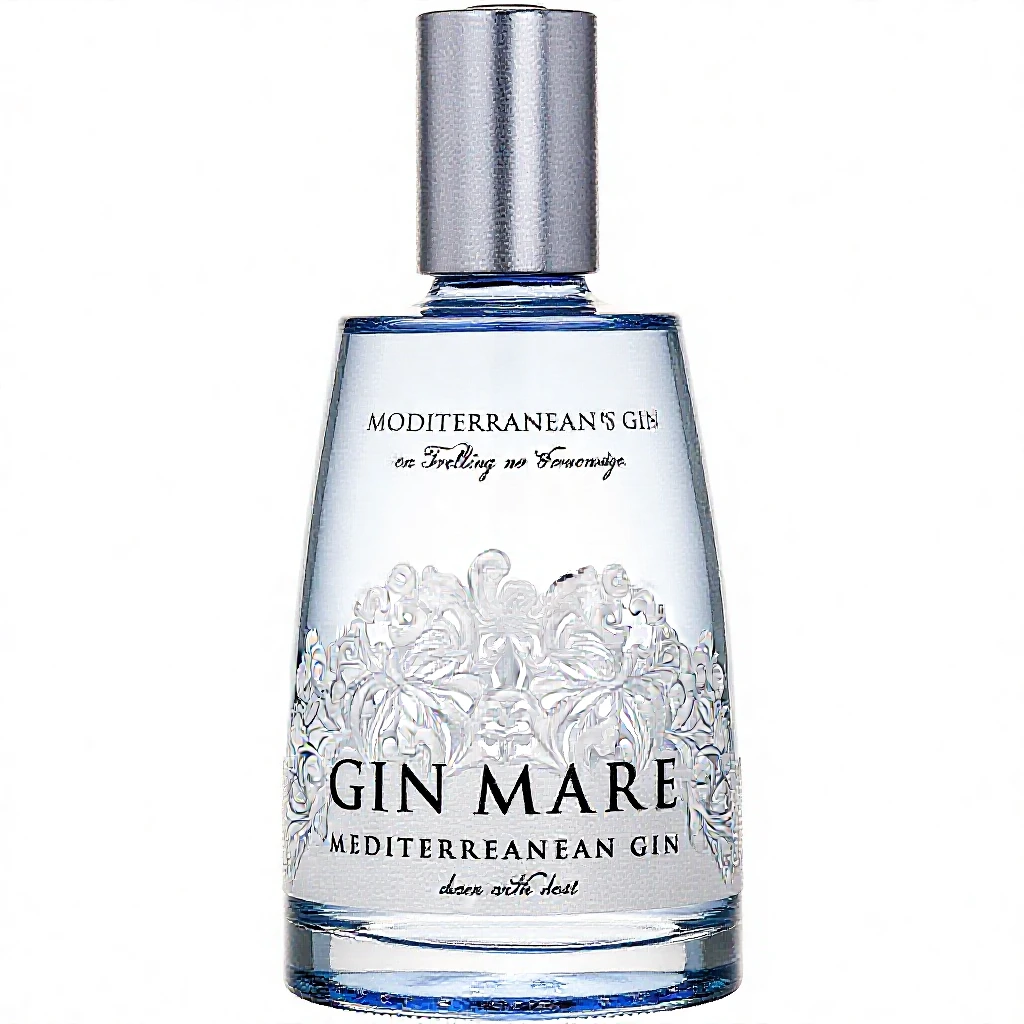
Gin Mare Mediterranean Gin 79
Arbequina olives, basil, rosemary, and thyme make this unmistakably Mediterranean—not just in marketing but in actual flavor. It tastes like the Spanish coast in a way that works best when you're actually thinking about that context.
-
5
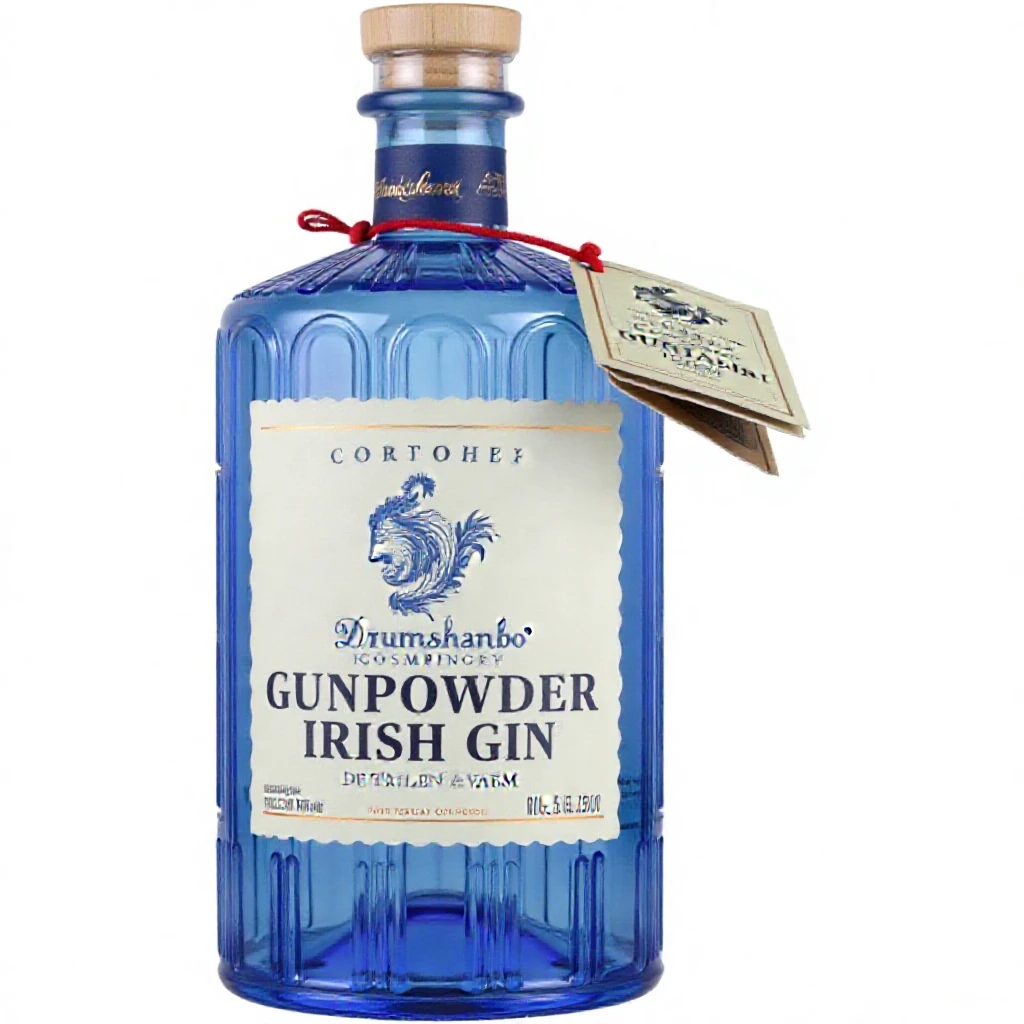
Drumshanbo Gunpowder Irish Gin 77
Gunpowder tea from China meets Irish terroir in an unusual fusion that actually works. The tea provides a distinctive backbone while local botanicals keep it anchored to its Drumshanbo origins.
-
6
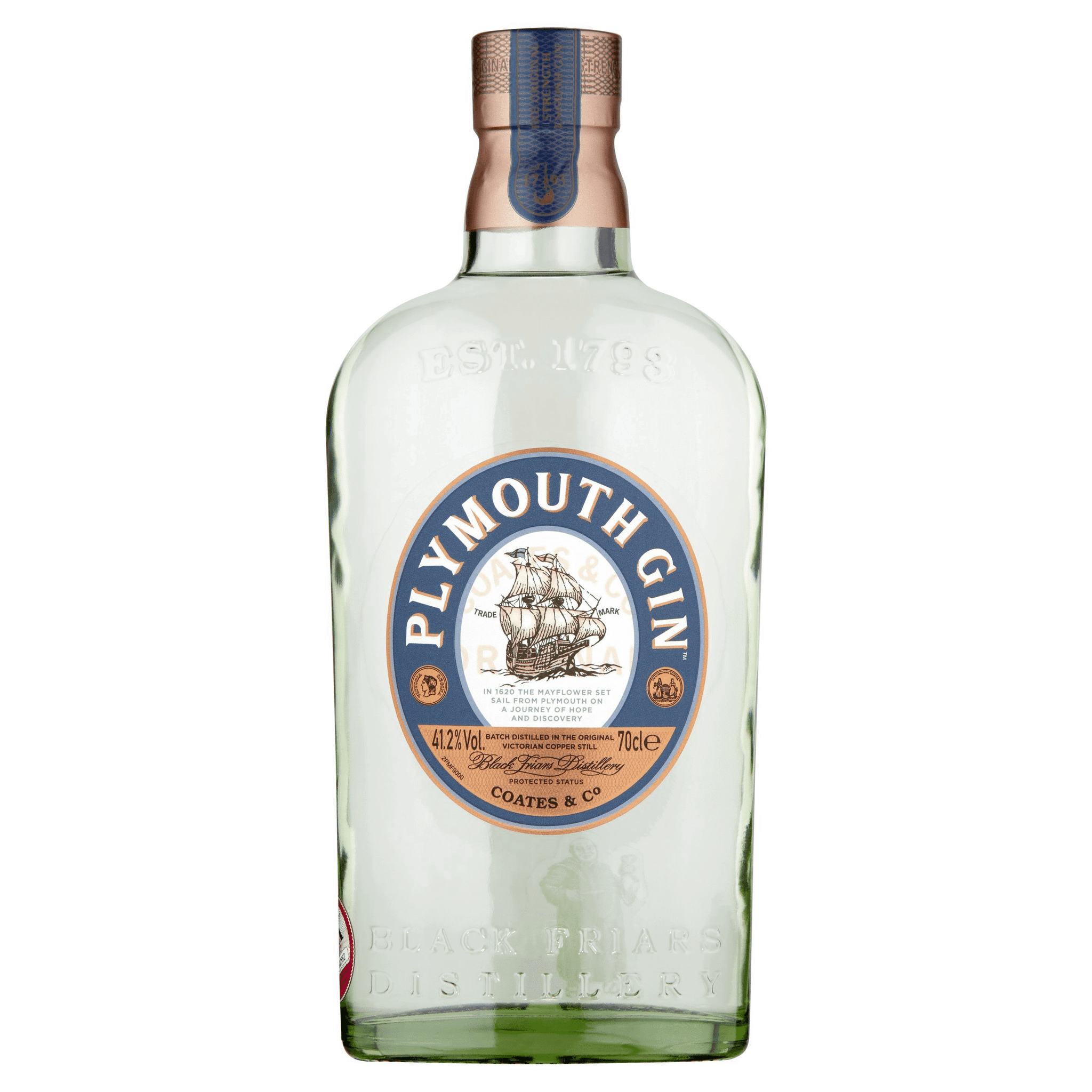
Plymouth Gin 80
The only gin with a protected geographical indication, made exclusively in Plymouth since 1793. Its slightly earthier, less citrus-forward profile reflects the original Plymouth style that predates London Dry dominance.
-
7
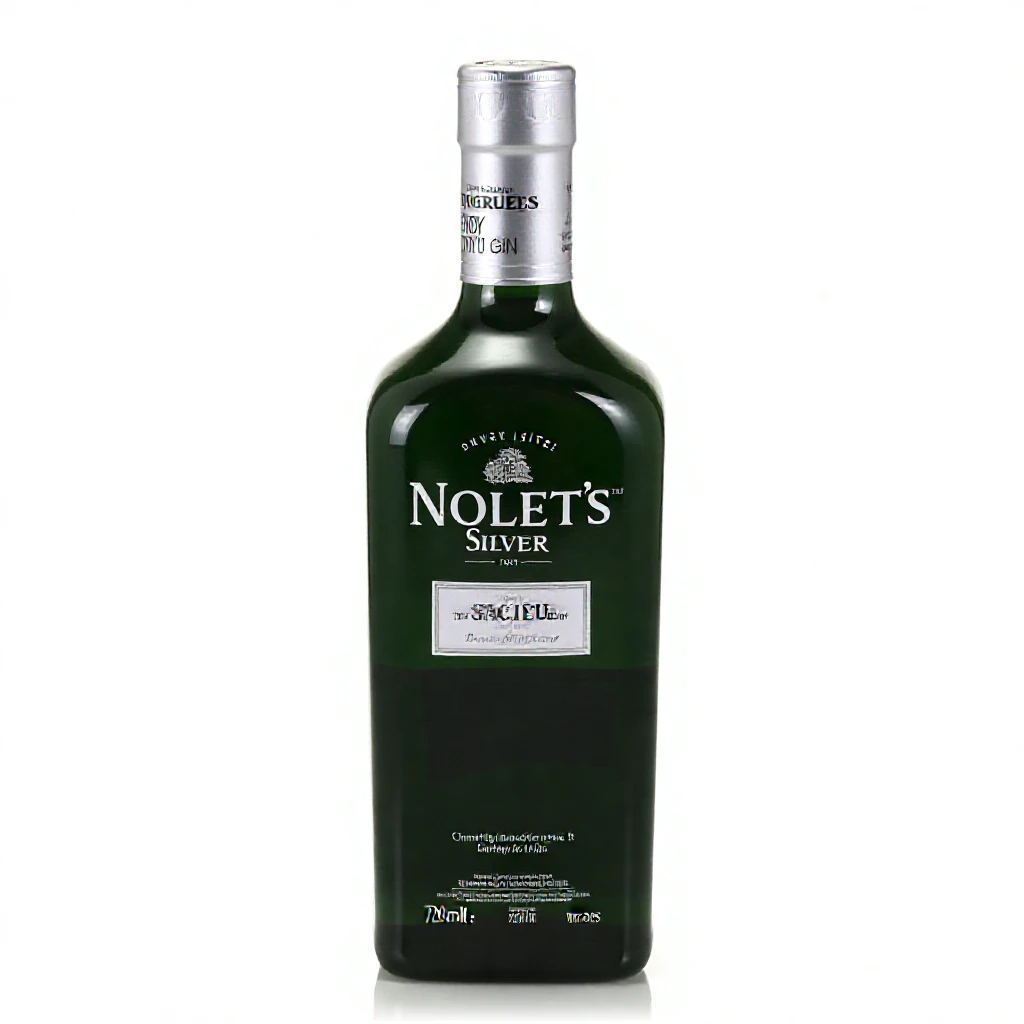
Nolet's Silver Dry Gin 78
Turkish rose, peach, and raspberry might sound like additions, but they're expressions of the Nolet family's Dutch distilling heritage. This tastes distinctly different from Anglo-centric gin templates.
-
8
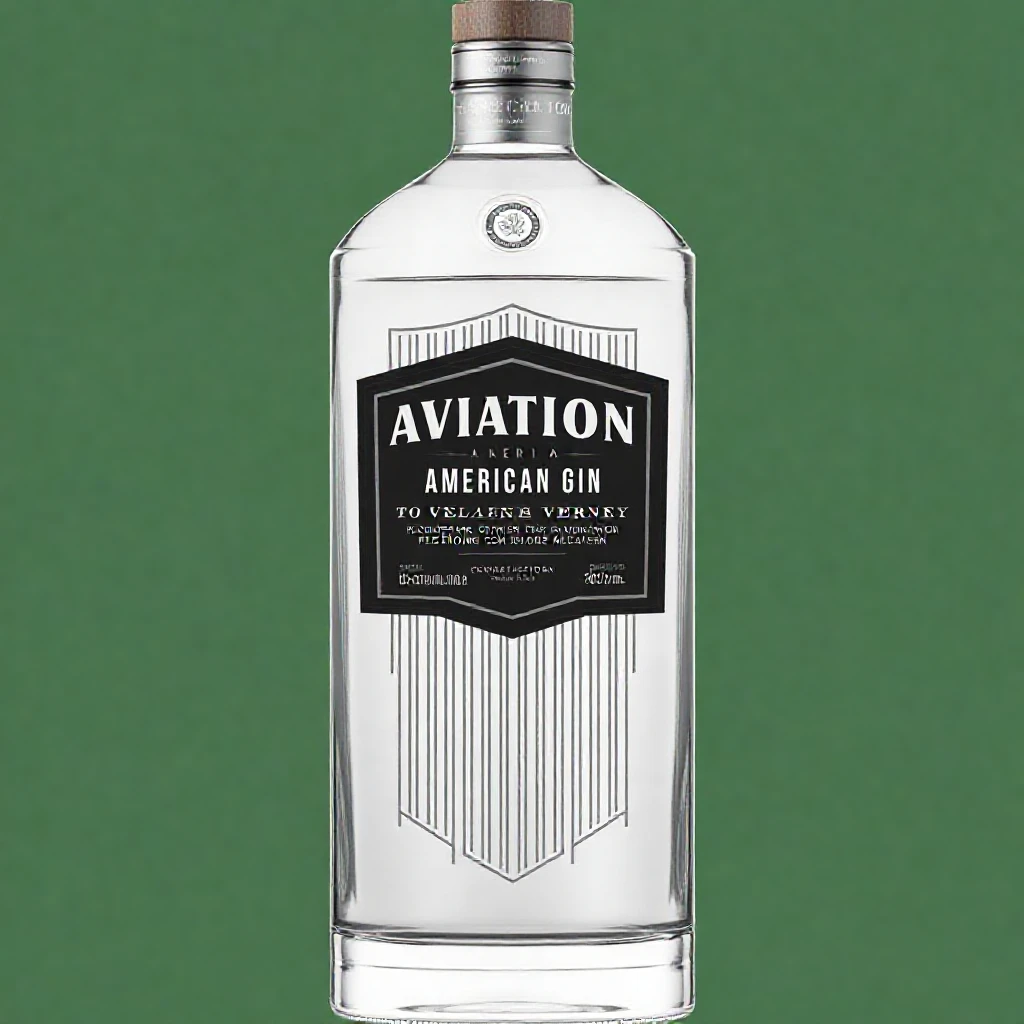
Aviation American Gin 77
Lavender and cardamom push this toward a Pacific Northwest profile that diverges from European traditions. It's regionally American in its willingness to dial back juniper and foreground softer aromatics.
Each of these gins offers a passport stamp in a glass, translating the botanicals of a specific region into something you can taste. They're worth seeking out when you want your gin to tell a story beyond juniper.