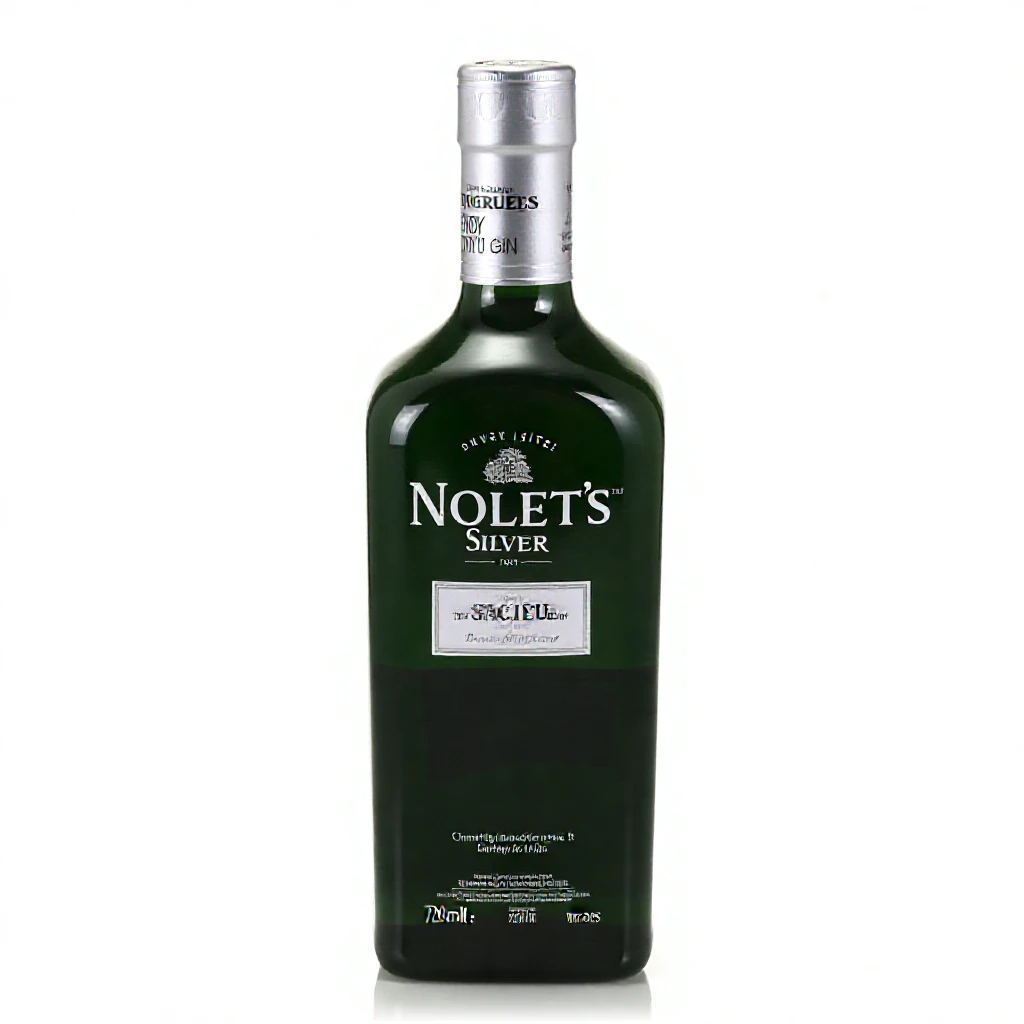
Nolet's Silver Dry Gin
A Floral Departure from Traditional Gin
I approached Nolet's Silver with curiosity about its reputation as a more modern, fruit-forward gin. Coming from a Dutch distillery with centuries of experience, this expression takes deliberate steps away from the juniper-dominant profile that defines London Dry gins.
The Botanical Profile
The most striking aspect of Nolet's Silver is its use of rose, peach, and raspberry as primary botanicals alongside the traditional juniper. When I first nosed this gin, the floral notes came through immediately—not perfumy, but distinctly rose-like with soft fruit undertones. The wheat-based spirit provides a smooth foundation that lets these delicate botanicals express themselves without harsh alcohol burn.
This botanical selection represents a clear choice: Nolet's Silver prioritizes approachability and a softer character over the piney, resinous qualities many gin drinkers expect. Whether this appeals to you depends entirely on what you're seeking in a gin.
In Practice
I've used Nolet's Silver in several applications to understand where it excels. In a classic gin and tonic, the floral notes remain prominent—some might say too prominent. The rose and fruit elements don't disappear into the background; they reshape the drink into something distinctly different from what a traditional London Dry would provide. I found myself adjusting the tonic ratio to accommodate the gin's softer profile.
Where this gin found its stride for me was in lighter, spring-appropriate cocktails. A simple combination with elderflower liqueur and fresh citrus allowed the botanical complexity to shine without overwhelming other ingredients. The gin also works neat or with a single ice cube if you enjoy contemplative sipping—the texture is smooth enough to support this approach.
Considerations
The distinctive character that makes Nolet's Silver interesting also limits its versatility. When I wanted a classic martini or Negroni, I found myself reaching for other bottles. The fruit-forward profile doesn't provide the structural backbone these cocktails typically require. This isn't a flaw—it's simply a different tool for different purposes.
The price point positions this in premium territory, and I'd consider it more of a specialty bottle than a workhorse gin. The quality is evident in the clean production and thoughtful botanical balance, but you're paying for a specific profile rather than broad utility.
Final Thoughts
Nolet's Silver succeeds at what it sets out to do: provide a modern, accessible gin with distinctive floral and fruit character. I appreciate the craftsmanship and the willingness to diverge from convention. However, I'd recommend this primarily to those who already know they enjoy softer, less juniper-forward gins, or to anyone looking to expand their understanding of what contemporary gin can be. For a foundational gin cabinet, I'd suggest building around more traditional expressions first, then adding Nolet's Silver as an interesting variation.