Monkey 47 Schwarzwald Dry Gin
My Experience with This Black Forest Gin
I approached Monkey 47 with curiosity about whether a gin with 47 botanicals would taste cohesive or chaotic. The answer, I found, depends largely on how I used it.
The first thing I noticed was the aromatic intensity when I opened the bottle. This is not a subtle gin. The nose presents a forest-like quality with pine, citrus, and herbal notes competing for attention. When I sipped it neat, the complexity became both its strength and potential weakness. I could identify distinct layers—juniper certainly, but also floral elements, spice, and a subtle fruitiness that evolved as the spirit sat in the glass.
In a classic gin and tonic, Monkey 47 performed admirably but required some adjustment to my usual proportions. I found that using a higher ratio of gin to tonic than I typically would allowed its character to come through without being muted entirely. With too much tonic, the botanical complexity simply got lost. The finish has a pleasant dryness with lingering herbal notes that I appreciated.
When I tried it in a Negroni, the results were mixed. The gin held its own against Campari and vermouth, but I questioned whether the nuance of those 47 botanicals was still discernible once combined with such assertive partners. In a Martinez, however, it worked beautifully—the slightly sweeter profile complemented the gin's complexity without overwhelming it.
The price point gave me pause. This is not an everyday gin for my bar cart. I reserve it for times when I want to focus on the spirit itself, either neat or in simple preparations that let the botanicals speak. For batch cocktails or casual mixing, I reach for more affordable options without feeling I'm compromising my drinks.
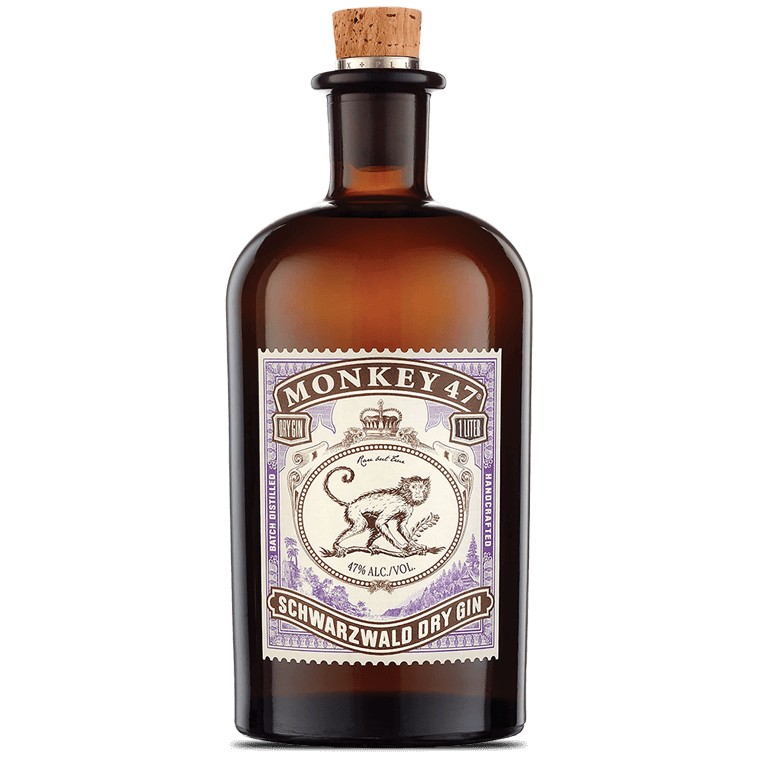
The presentation is thoughtful, with the distinctive bottle design making it recognizable on any shelf. The label details about the Schwarzwald origin and the specific botanical count add a sense of place and craft that I appreciate, even if I'm not convinced all 47 ingredients are individually perceptible to my palate.
What I've come to understand about Monkey 47 is that it occupies a specific niche. It's a gin for people who want to taste something deliberately unconventional, who enjoy contemplating spirits rather than just consuming them. If I'm making drinks for a crowd, this probably isn't my choice. If I'm settling in to appreciate a carefully constructed gin with a friend who shares that interest, it delivers a worthwhile experience.
The botanical complexity is genuine, not marketing speak. But complexity isn't always synonymous with better, and I've found myself reaching for simpler, more focused gins just as often. Monkey 47 earns its place as an occasional indulgence rather than a staple.