Plymouth Gin
A Historic Gin With Softened Edges
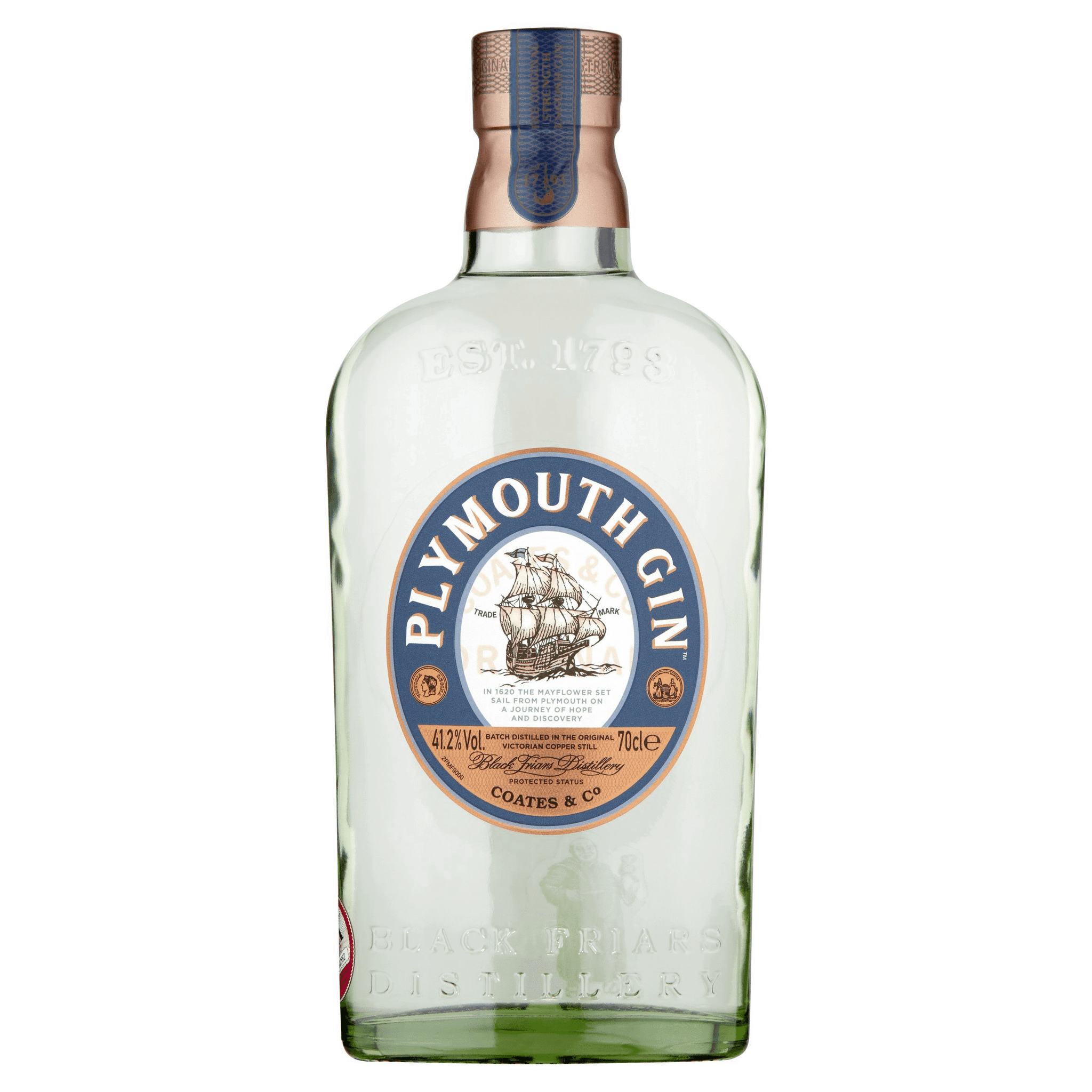
I've kept Plymouth Gin in my home bar for several years, and it occupies an interesting middle ground in the gin spectrum. Produced continuously at the Black Friars Distillery in Plymouth, Devon since 1793, this spirit represents one of the few remaining examples of Plymouth-style gin, a protected derivative of London Dry.
The most noticeable characteristic when I pour Plymouth is its softer approach to botanicals. Where many London Dry gins hit you immediately with sharp juniper, Plymouth takes a more measured path. The botanical blend feels earthier and less citrus-forward, creating a rounder mouthfeel that some describe as slightly sweeter, though there's no added sugar. This isn't aggressive gin—it's the kind that plays well with others.
In cocktails, I've found this gentler profile works particularly well. My martinis with Plymouth come out smoother and more integrated than with some bolder gins. The spirit doesn't fight for attention; it contributes complexity without dominating vermouth or other modifiers. In a negroni, Plymouth allows the Campari and sweet vermouth to express themselves more fully, though drinkers who want their gin to punch through might find it too restrained.
The heritage aspect is legitimate rather than manufactured. The distillery building itself dates to 1431 and was reputedly a Dominican monastery, earning it the "Black Friars" designation embossed on every bottle. As Britain's oldest operating distillery, the continuity of production at this single location adds tangible authenticity. Plymouth Gin also holds protected geographical indication status, meaning only gin produced at this specific Plymouth distillery can carry the name.
Neat, Plymouth reveals its character more clearly. The botanical complexity comes through without the alcohol burn present in higher-proof options. I can taste the earthy roots and a subtle sweetness that makes it more approachable than juniper-forward alternatives. It's not a gin I'd necessarily sip regularly, but it's pleasant enough when I want to evaluate what I'm mixing with.
The pricing sits in the mid-premium range, which feels appropriate given the production history but not necessarily compelling compared to quality London Dry alternatives at lower price points. I buy Plymouth when I want that specific softer profile or when making drinks for guests who find typical gin too aggressive. For my everyday martini, I often reach for something else.
What Plymouth does well is offer a legitimate regional style with centuries of consistent production behind it. The distillery's location on Plymouth's Barbican gives it geographical authenticity that many craft distillers try to manufacture. You're buying actual history here, not marketing nostalgia.
For gin drinkers who appreciate a more restrained botanical profile and value production heritage, Plymouth delivers solid performance. It won't revolutionize your home bar, but it fills a useful niche between aggressive modern gins and the softest contemporary options.