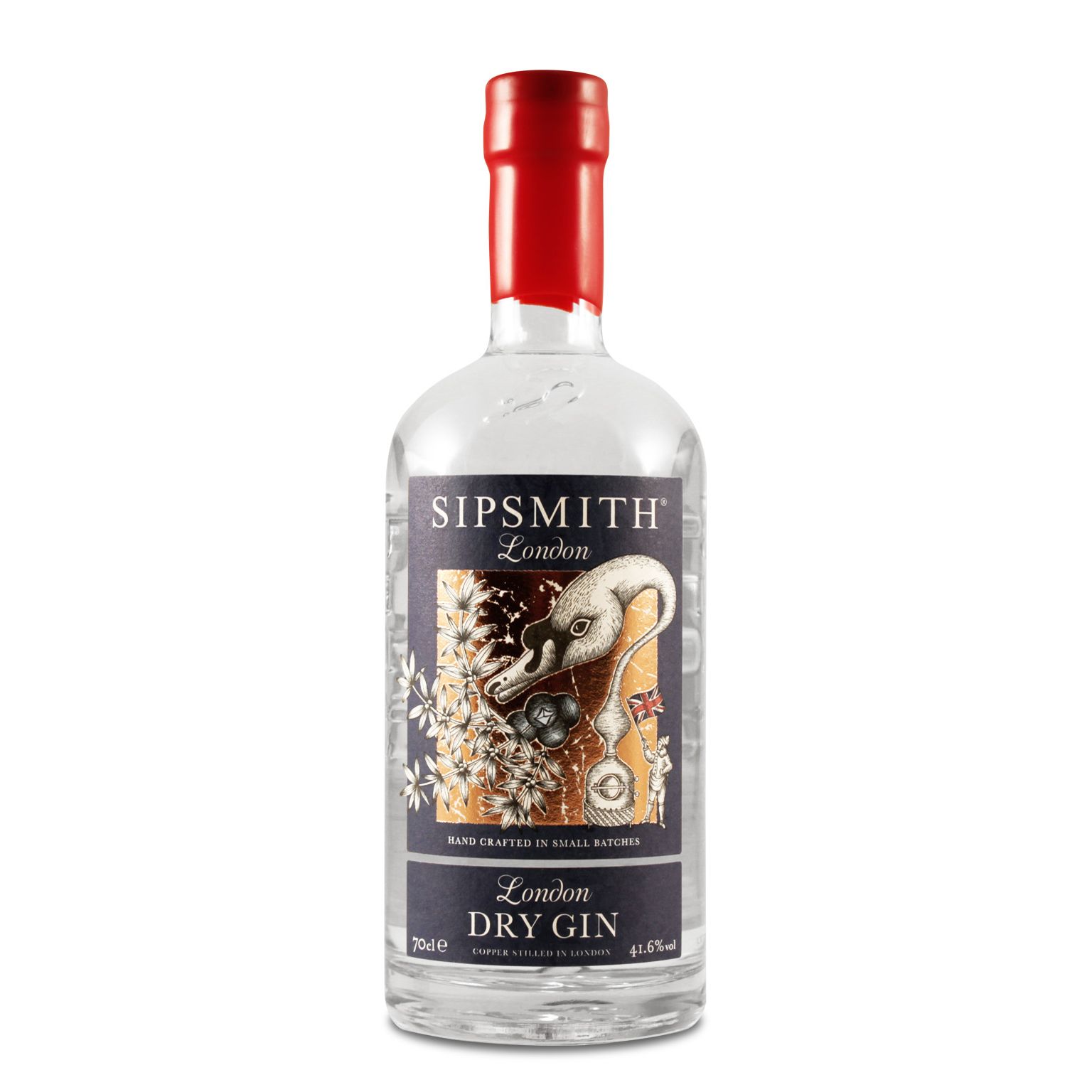
Sipsmith London Dry Gin
My Experience with Sipsmith London Dry Gin
I've kept a bottle of Sipsmith in my home bar for several months now, rotating it into my gin selection when I want something that delivers on the London Dry promise without surprises. This is a gin that knows what it is and doesn't apologize for being traditional.
The most immediate impression is the juniper. It's assertive but not overwhelming, exactly what I expect from a London Dry gin. Behind that core, I pick up citrus notes—predominantly lemon peel—and a subtle earthiness that suggests coriander and angelica root. There's a slight peppery warmth in the background that emerges more when I sip it neat, though I rarely drink gin that way.
Where Sipsmith has proven most useful to me is in classic cocktails. I've made dozens of gin and tonics with it, and it holds up well against quality tonic water without requiring a heavy pour. The botanicals come through clearly but don't fight with the quinine. In martinis, it performs admirably, though I'd argue it's better suited to a standard preparation than a dirty martini where its delicate notes get buried by olive brine.
I've also tested it in a Negroni, where it performed adequately but didn't distinguish itself—the Campari and vermouth dominate enough that the gin's specific character matters less. For that application, I might reach for something less expensive.
The smoothness is notable. At 41.6% ABV, it's slightly above the minimum for London Dry, but I don't find it harsh. The finish is clean and relatively short, which I view as a practical trait rather than a limitation. When I'm making multiple drinks over an evening, I appreciate that it doesn't leave a lingering intensity.
My main reservation is the price positioning. Sipsmith markets itself as a craft gin with heritage—it played a role in reviving copper pot distillation in London—and the bottle design and branding reflect that premium positioning. In my market, it sits alongside gins that cost 20-30% less and deliver similar profiles. I'm paying partly for the story and the packaging, which matters to some buyers but feels less justifiable when I'm simply making a weeknight G&T.
The quality control seems consistent across bottles, which I value. I haven't experienced batch variation, and the flavor profile matches my expectations each time I open a new bottle.
Overall, Sipsmith London Dry Gin is a reliable, well-executed example of its style. It won't surprise you, but it also won't disappoint if you're looking for a juniper-forward gin that performs well in standard applications. Whether the premium price is justified depends on how much you value brand heritage and presentation versus pure liquid quality. For me, it's a solid option I keep on hand but not necessarily my first reach when price is a consideration.