Empress 1908 Gin
A Visually Striking Gin That Prioritizes Presentation
I approached Empress 1908 Gin with curiosity about whether its famous color-changing properties would translate into a memorable drinking experience beyond the initial visual wow factor. After mixing it into various cocktails over several weeks, I found a spirit that delivers on spectacle while offering a more restrained flavor profile than some gin enthusiasts might prefer.
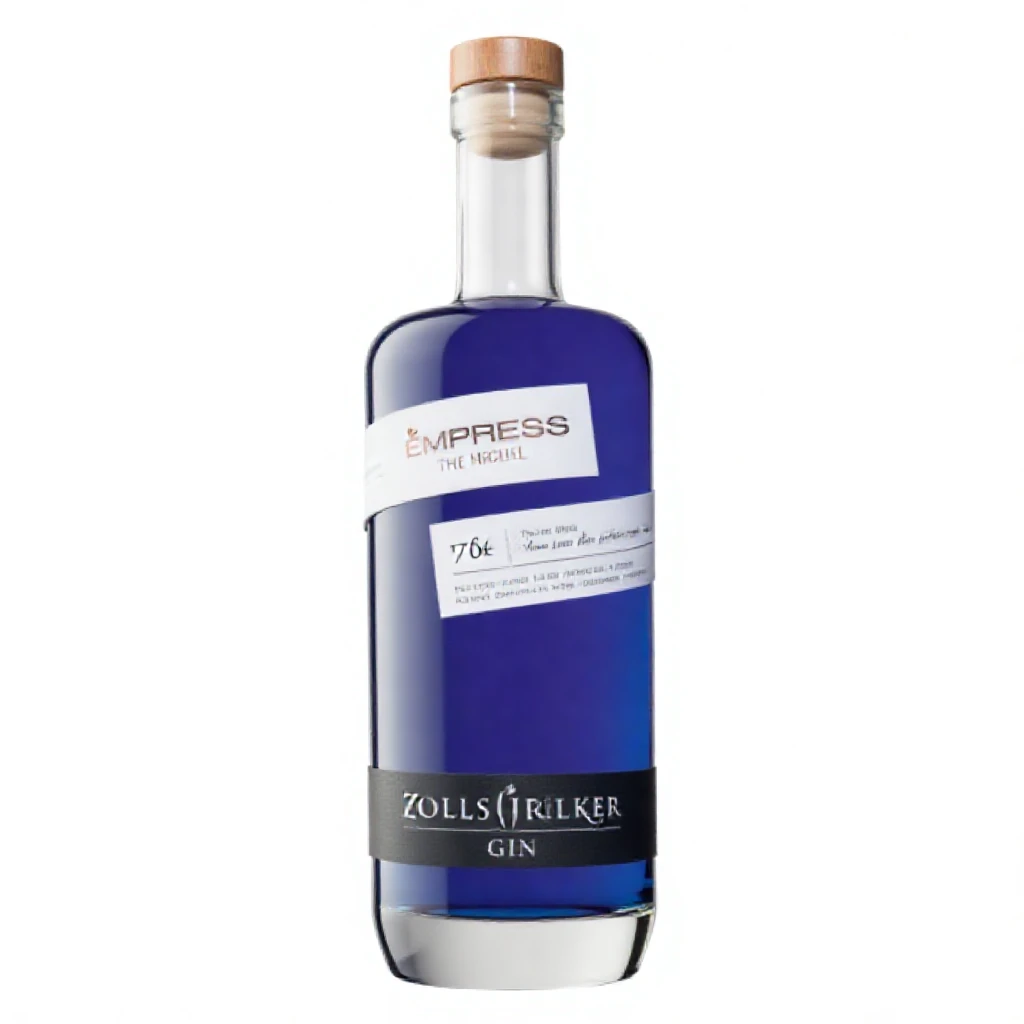
The most immediate characteristic is the deep indigo hue derived from butterfly pea flower. When I added tonic water or citrus juice, watching the liquid shift from royal blue to pink or purple proved entertaining every time. This isn't just a gimmick for social media—the transformation genuinely enhances the ritual of making drinks at home. For anyone who enjoys the theatrical aspect of cocktail preparation, this element alone adds value.
The botanical composition leans floral and gentle. I detected notes of citrus peel, mild juniper, and a soft herbal quality that reminded me of Earl Grey tea. The butterfly pea flower contributes a subtle earthiness without overwhelming the palate. This makes it an accessible gin for people who find traditional London Dry styles too aggressive, though it means the spirit lacks the bold juniper punch I sometimes want in a classic martini.
In a gin and tonic, Empress 1908 performed adequately but didn't stand out from the crowd once the visual novelty faded. The delicate botanicals struggled to assert themselves against the quinine bitterness of tonic water. I had better results with lighter mixers—when I made a French 75 or added it to a simple Tom Collins, the citrus elements complemented rather than competed with the gin's profile. The color transformation worked especially well in these applications.
The neat experience revealed both strengths and limitations. The mouthfeel was smooth with no harsh alcohol burn, indicating quality distillation. However, I found myself wanting more complexity and depth in the botanical layers. The finish was clean but brief, without the lingering juniper notes that make me reach for certain gins repeatedly.
From a practical standpoint, the bottle design is elegant and the liquid's natural color makes it a conversation starter on any bar cart. I appreciated that the visual effect comes from natural ingredients rather than artificial dyes. However, I had to consider whether I was paying a premium primarily for aesthetics rather than exceptional flavor.
Empress 1908 Gin succeeds as an experience-focused spirit that makes cocktail hour feel more special through visual engagement. It's well-suited for entertaining guests who appreciate presentation or for anyone exploring gentler, floral gin styles. For my regular rotation, though, I found myself gravitating toward gins with more assertive botanical profiles when the novelty wore off. This is a competent spirit that knows its audience—those who value the complete sensory package of a drink, not just what's in the glass.