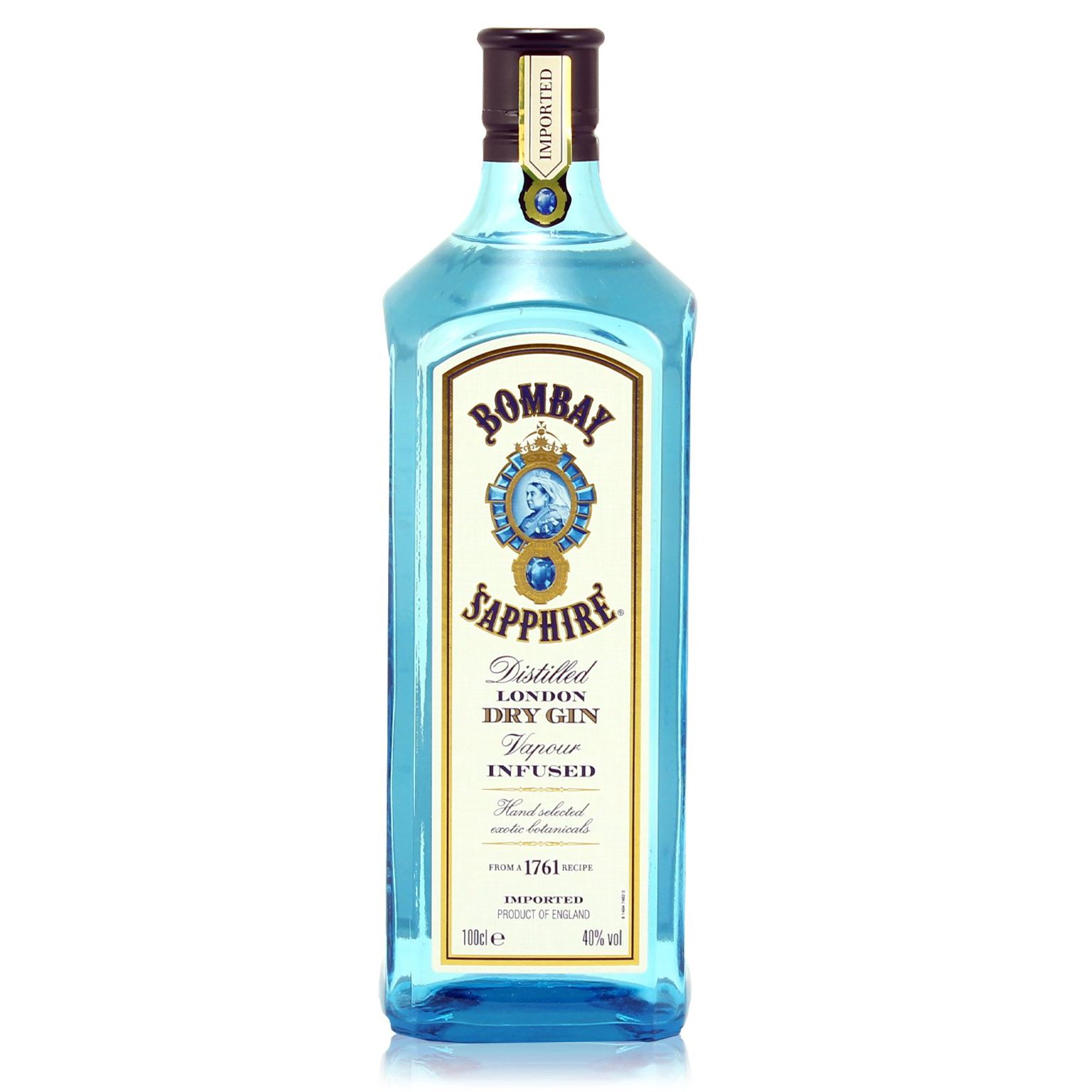
Bombay Sapphire London Dry Gin
My Experience with Bombay Sapphire
I've used Bombay Sapphire as a regular presence in my home bar for several years now, and it occupies an interesting middle ground in the gin category. The distinctive blue bottle is immediately recognizable, but what matters is whether the liquid inside delivers.
The Flavor Approach
Bombay Sapphire uses a vapor infusion method rather than direct botanical steeping, which creates a noticeably different profile from traditional London Dry gins. When I pour a measure neat or over ice, I get prominent notes of citrus—particularly lemon peel—along with coriander and a whisper of licorice. The juniper is present but restrained compared to more assertive gins.
This lighter approach has both advantages and limitations. In a classic gin and tonic, the botanicals come through without overwhelming the mixer, creating a balanced drink that works well for casual sipping. I've found it particularly effective in citrus-forward cocktails where I don't want the gin to dominate. However, when I'm making a martini or want gin to be the clear star of the drink, I sometimes find myself wishing for more intensity and depth.
Practical Versatility
Where Bombay Sapphire excels is in its reliable versatility. It's widely available, consistently produced, and works in most standard gin applications without calling too much attention to itself. I can use it for guests with varying palates and rarely get complaints. It doesn't challenge anyone's expectations, which is sometimes exactly what you want.
The 47% ABV version offers a bit more presence than the standard 40%, though I typically keep the standard bottle on hand. The alcohol doesn't burn excessively, and the finish is relatively smooth—this is a gin that won't intimidate someone new to the spirit.
The Value Question
At its typical retail price point, Bombay Sapphire sits in a competitive segment. It's more expensive than basic well gins but less costly than many craft or premium offerings. I consider it a reasonable value for what it delivers: consistency, availability, and broad appeal. That said, the gin market has expanded considerably, and I've found other bottles in a similar price range that offer more distinctive character if you're willing to hunt for them.
Overall Assessment
Bombay Sapphire serves a specific purpose well. It's the gin I reach for when I want something reliable and inoffensive rather than adventurous. It won't disappoint in standard applications, but it also won't particularly excite anyone seeking bold botanical expression. For a versatile, accessible gin that works in most situations without drama, it fulfills that role competently. Whether that's what you want from your gin depends on your priorities and how much you value having a safe, crowd-pleasing option versus something more distinctive.