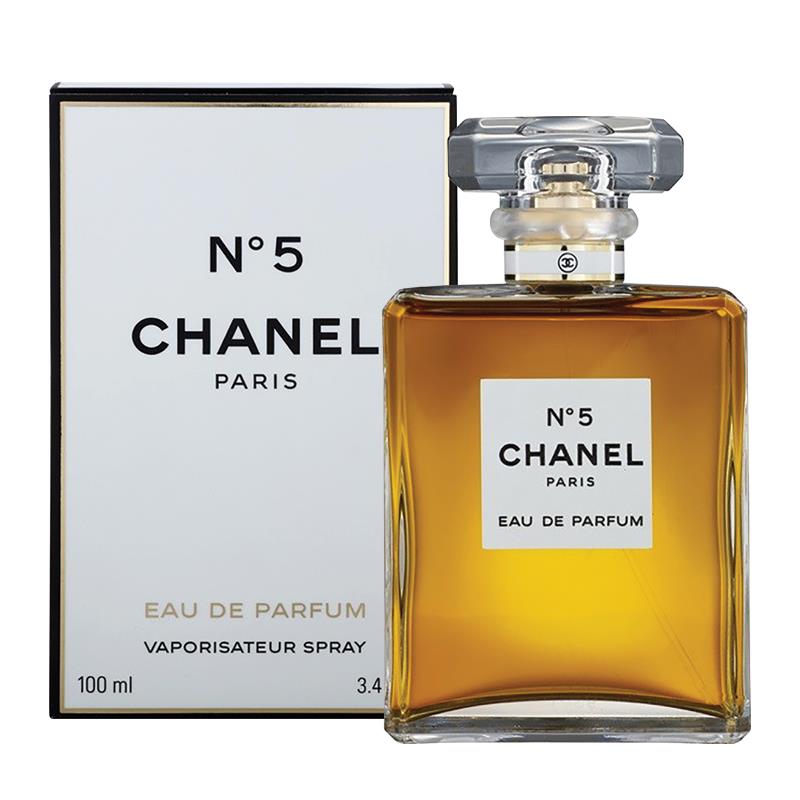
Chanel No. 5 Eau de Parfum
My Experience with a Classic
I approached Chanel No. 5 Eau de Parfum knowing its reputation but wanting to evaluate it on its own merits as a wearable fragrance today. What I found was a perfume that demands consideration rather than casual application.
The opening is where this fragrance announces itself most boldly. The aldehydes create an almost soapy, effervescent quality that lifts the citrus notes—primarily lemon and neroli—into something sharper and more abstract than a typical fresh opening. This isn't the gentle introduction of many modern perfumes. Within minutes, I noticed how the scent projects outward with confidence, creating a noticeable presence in any room.
As the fragrance develops over the first hour, the floral heart emerges. The rose and jasmine combination sits at the core, but these aren't the photorealistic florals common in contemporary perfumery. They're abstracted, smoothed by the aldehydes and blended with ylang-ylang into something that reads more as "elegant floral" than any single flower. I found this middle phase the most wearable—still distinctive but less aggressive than the opening.
The dry-down reveals where No. 5 shows its age in both positive and challenging ways. The base combines vanilla, sandalwood, and vetiver into a warm, powdery foundation that recalls a specific era of perfumery. On my skin, this phase lasted well into the evening, though the projection softened considerably after four hours. The powdery quality divides opinion—I found it sophisticated but can understand why some perceive it as dated.
The longevity impressed me for an eau de parfum. I consistently got 6-8 hours of noticeable wear, with faint traces detectable on clothing the next day. The sillage starts strong—perhaps too strong for office environments or confined spaces—before settling into a more intimate radius.
Practically speaking, I found this perfume works best in cooler weather and evening settings. The weight and formality of the composition felt overwhelming in casual contexts or warm temperatures. It's a perfume that shapes the atmosphere around you rather than blending into it.
The pricing reflects luxury market positioning. While the ingredients and construction justify premium pricing to some degree, the cost per milliliter is notably high. Whether that represents value depends on how often you'll actually wear it.
What stands out most is how different this smells from modern releases. The aldehydic approach creates a character that's genuinely distinctive in today's market. I respect the craftsmanship and understand the iconic status, though I reached for it selectively rather than regularly. It's a perfume that rewards intentional wearing occasions rather than everyday use.