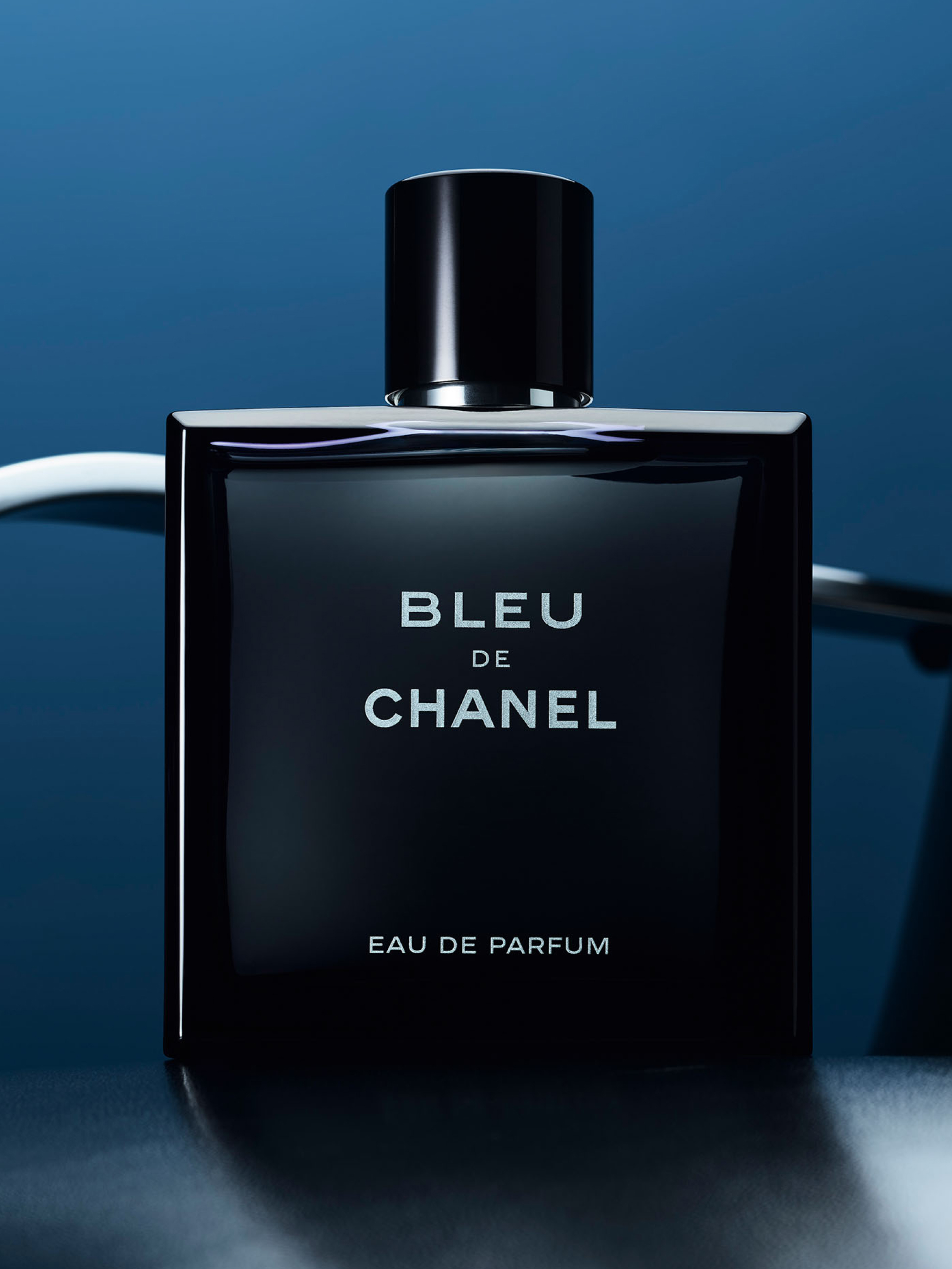
Bleu de Chanel Eau de Parfum
A Refined Evolution in Chanel's Masculine Line
When I first encountered Bleu de Chanel Eau de Parfum, I was curious about what distinguished it from the 2010 original that had already established itself as a modern classic. The 2014 eau de parfum formulation, created by Jacques Polge—the same perfumer behind the original eau de toilette—represents a deliberate intensification rather than a reimagining.
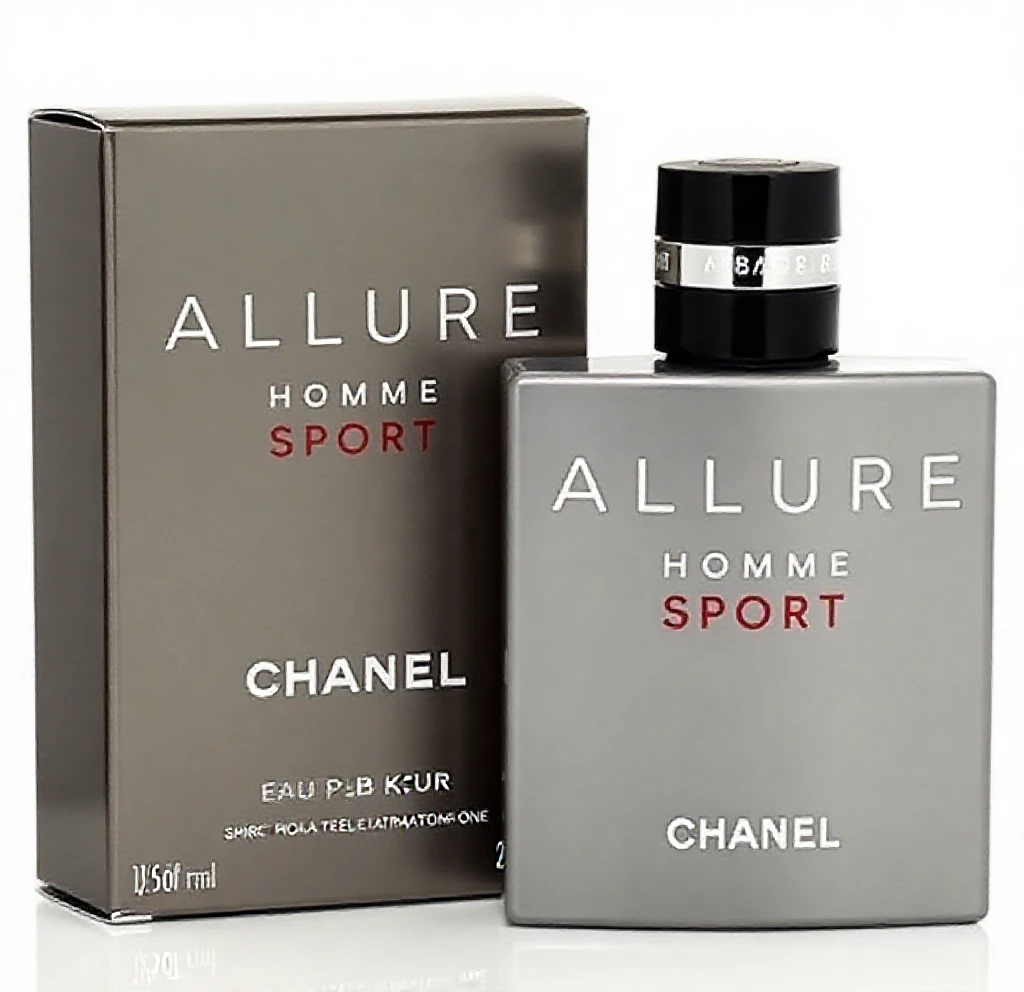
What strikes me most about this fragrance is its lineage within Chanel's men's portfolio. This was the brand's first men's fragrance release in six years, arriving after Allure Homme Sport in 2004, and more significantly, it marked the first new men's masterbrand since Égoïste in 1990. That context matters because it positions Bleu de Chanel as a foundational pillar rather than a flanker or seasonal variation.
Performance and Presence
The eau de parfum concentration delivers noticeably improved longevity compared to what I'd expect from the lighter eau de toilette version. Throughout my wearing experience, the fragrance maintains its presence for a full working day without becoming overwhelming. The projection is confident but not aggressive—appropriate for professional environments while still making an impression in social settings.
I appreciate that Chanel offered this stronger concentration as an option. The original eau de toilette serves those who prefer lighter application, while the eau de parfum caters to those of us seeking more substantial performance. The 2018 parfum version, later formulated by Olivier Polge (Jacques's son), provides an even more concentrated option, showing Chanel's commitment to serving different preferences within this fragrance family.
Wearing Experience
The composition occupies an interesting space in the modern masculine fragrance landscape. It's undeniably sophisticated and leans formal, which works well for business contexts and evening occasions. However, this same refinement makes it feel less versatile than some competitors designed for true all-occasion wear. I find myself reaching for it when I want to present a polished image rather than for casual weekend activities.
The brand heritage is palpable in the execution—there's a level of restraint and balance that reflects Chanel's design philosophy. Nothing feels overdone or trendy, which likely contributes to its sustained popularity since launch.
The Investment Question
The pricing positions this firmly in luxury territory. For those building a fragrance wardrobe, it represents a significant investment per bottle. The quality is evident in the formulation and performance, but the premium you pay includes the Chanel name and packaging. Whether that represents good value depends on how much you prioritize brand prestige alongside the actual fragrance experience.
As someone who appreciates well-crafted fragrances, I recognize the technical skill in Polge's work here. The eau de parfum succeeds as a more intense interpretation of the original vision, offering those who connected with Bleu de Chanel's character a way to experience it with greater depth and persistence.